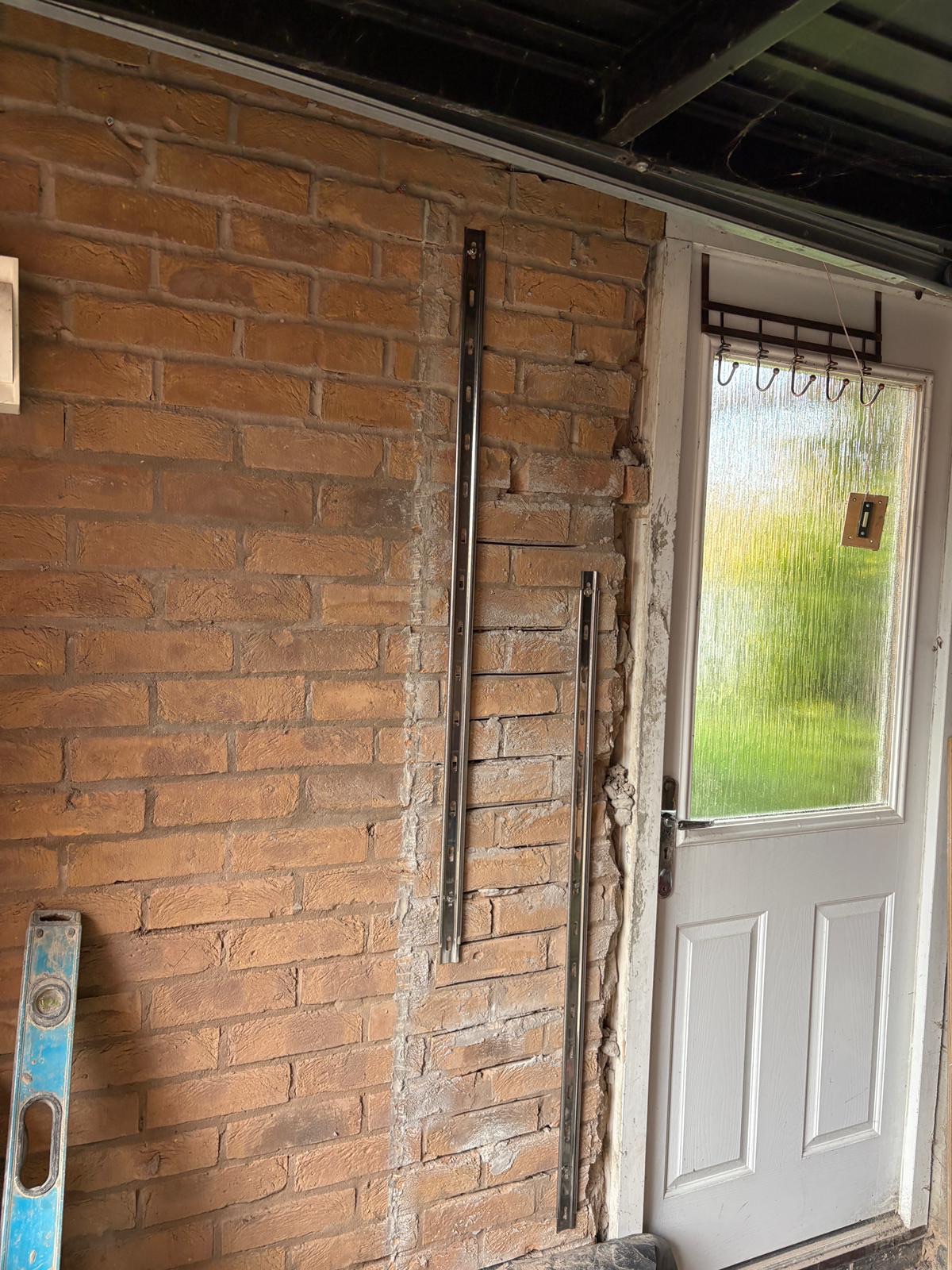
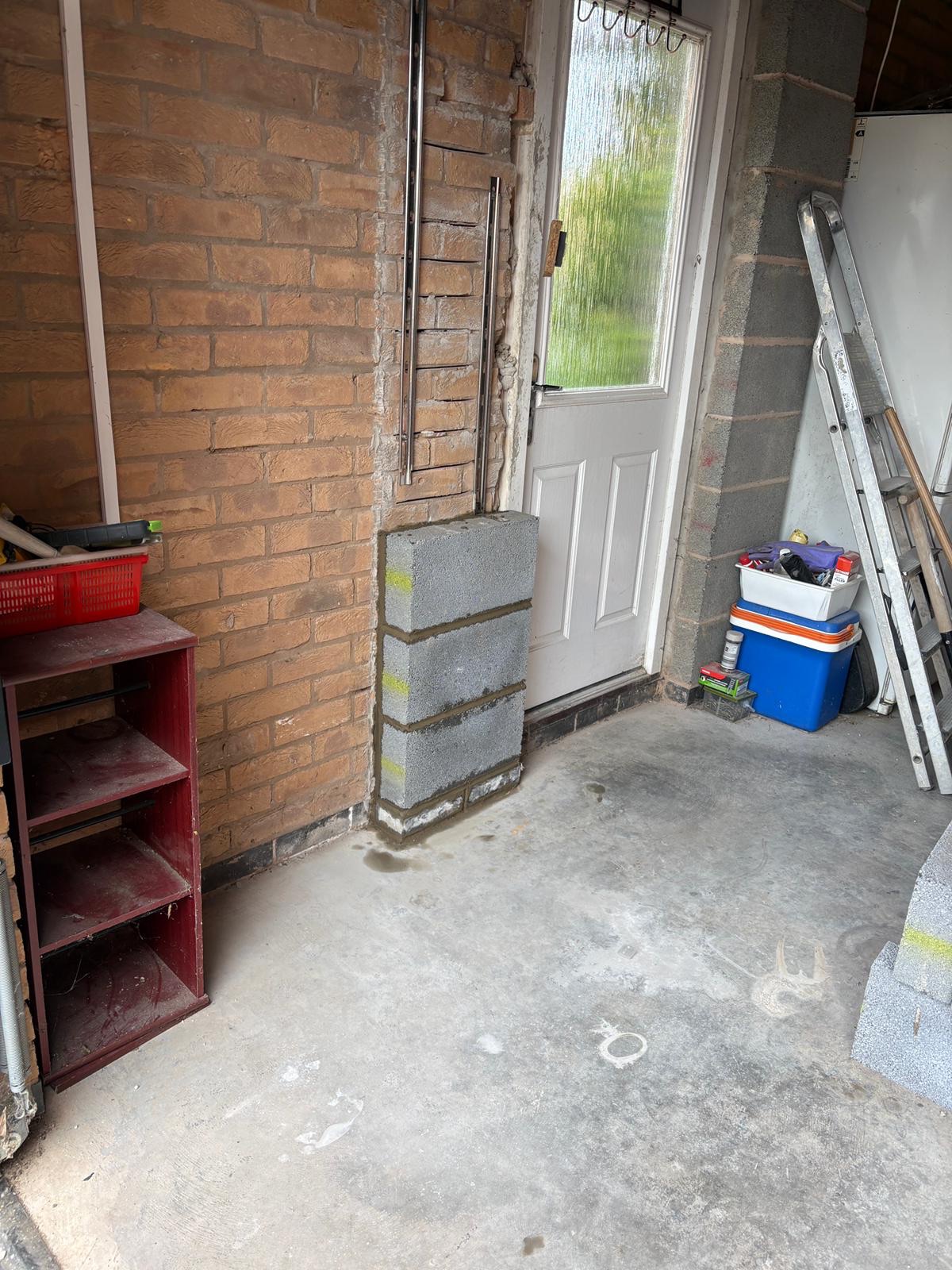
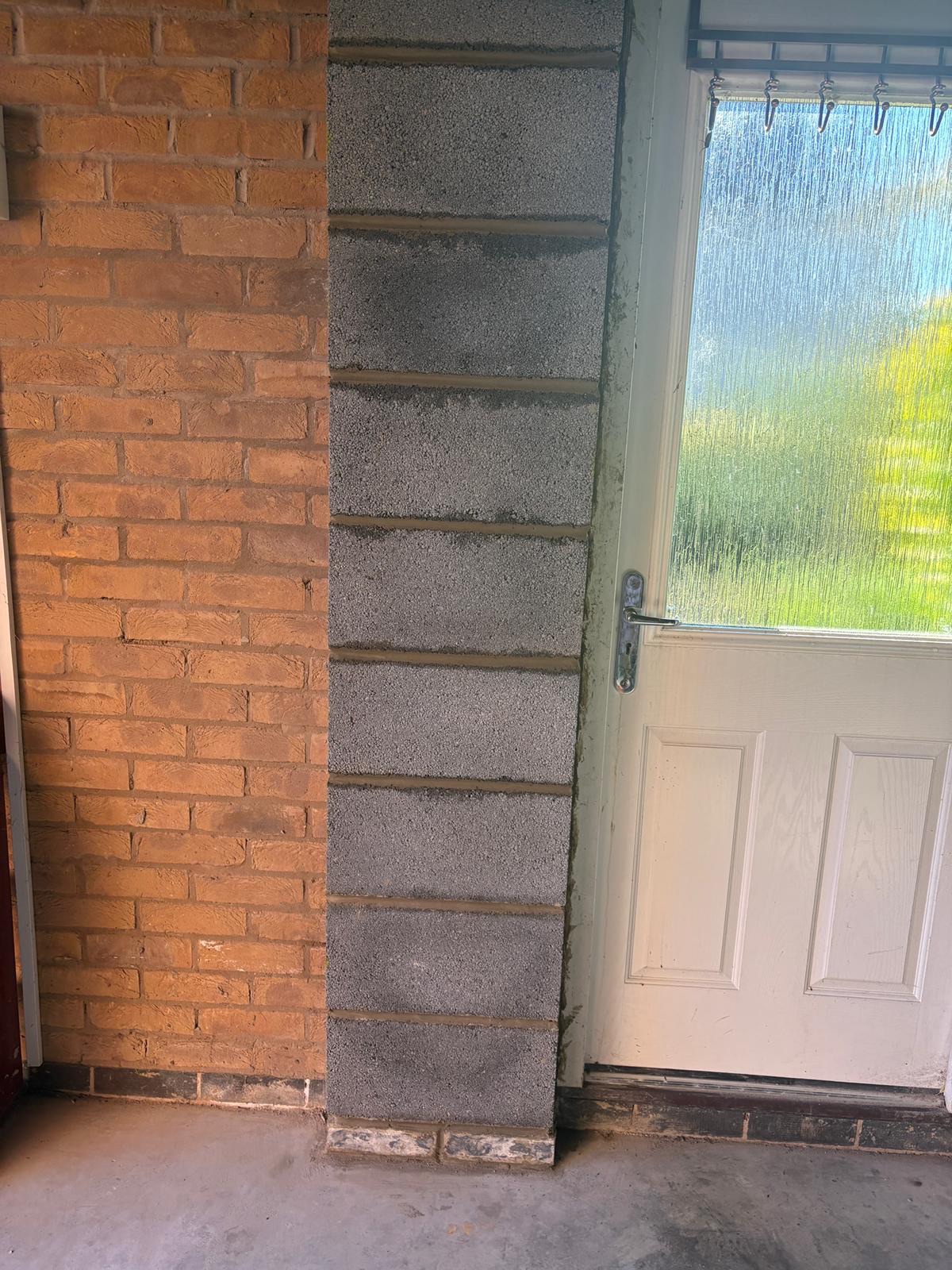
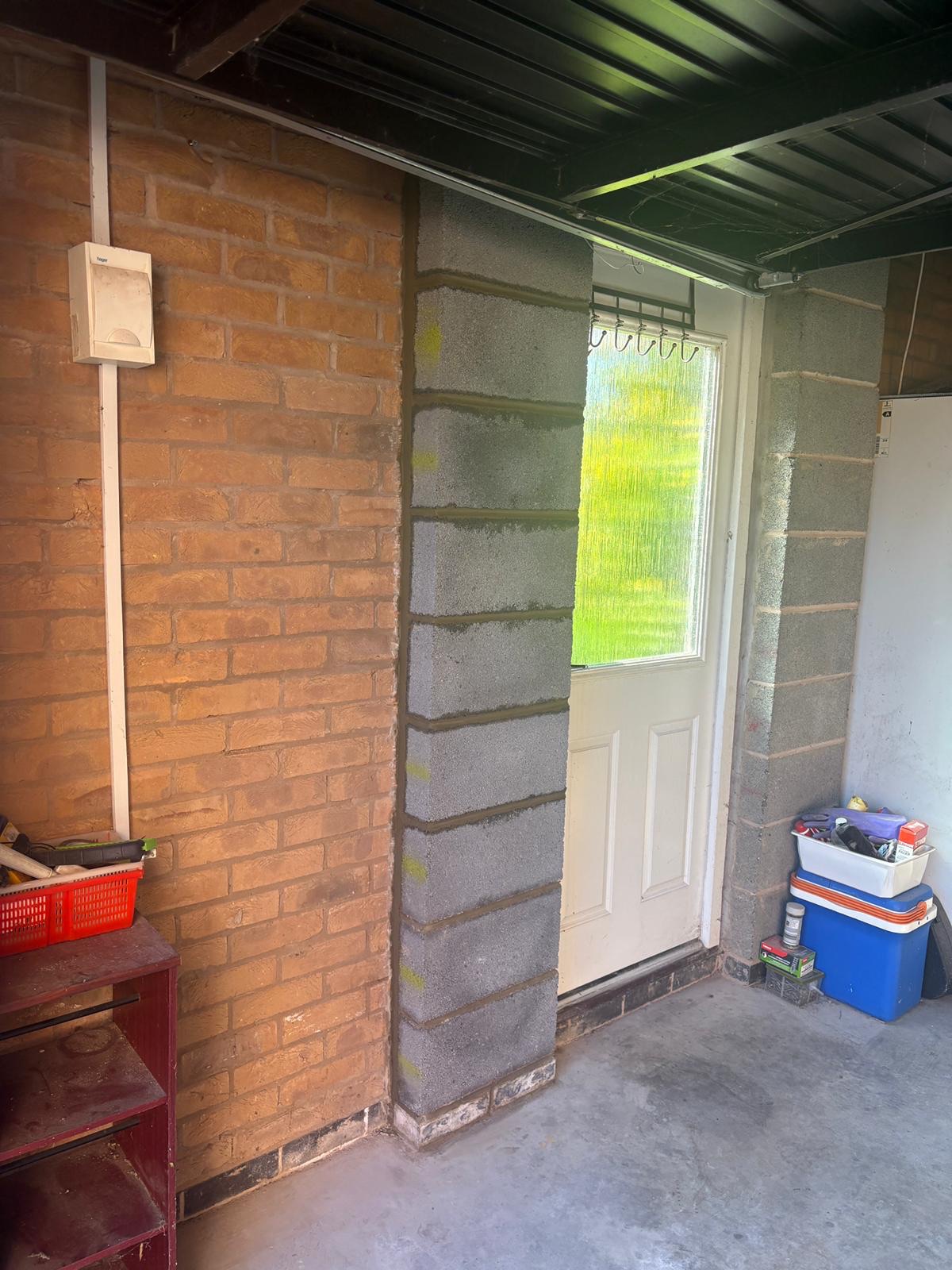
An R16 form (formally known as the Regulation 16(4A) Completion Notice) is a mandatory building control document submitted to your local authority in England. It informs them that building work is finished and officially declares that the project complies with Building Regulations. [1, 2, 3]
Why and When It is Needed
-
- The Deadline: By law, you must submit this form to your local council building control team within 5 days of the building work being completed. [1, 2]
- The Goal: It triggers the final inspection by a building control surveyor. Once they are satisfied, they will issue your Completion Certificate, which is vital for selling or remortgaging your home. [1, 2]
Who Must Sign It?
Under building regulations, the dutyholders involved in the project must make formal compliance declarations on the form. This typically requires signatures or details from: [1]
-
- The Client (You): A statement that to the best of your knowledge, the work complies with all applicable building regulations.
- The Principal Contractor: Confirmation of their appointment and that they fulfilled their duties. (Swallow Hill Homes hopefully!
- The Principal Designer: Confirmation that they have fulfilled their duties. [1]
How to Find and Submit Your Form
Most local councils have transitioned to online submissions or downloadable forms. For example, you can look up your local council’s building control portal or check a regional provider like the Local Authority Building Control (LABC) to access local contact details and find the exact form template applicable to your area. In the Nottingham area many local authorities have merged their building control into one function that is run out of Erewash.
Obtaining a Building Control Completion Certificate is formal evidence that your project complies with legal construction standards, such as Building Regulations. It is critical for the following reasons:
- Property Sales and Conveyancing: Solicitors and buyers typically review completion certificates during local authority searches. An absence of this certificate can cause sales to stall, trigger price reductions, or lead to a deal collapsing.
- Mortgage and Finance: Lenders often require proof that work is compliant to mitigate their risk. The certificate is frequently a prerequisite for releasing final funds or securing long-term financing.
- Insurance Coverage: Insurers may refuse to pay out on claims or void your existing policies if you lack a completion certificate for property alterations.
- Legal Compliance and Safety: The certificate confirms that your project has been inspected and meets required structural, fire safety, and energy efficiency standards. Without it, you risk local authority enforcement action, which could legally require you to alter or remove the work at your own expense.
- Lawful Occupation: In many instances, occupying a building without a valid completion certificate may be considered unlawful.
You should keep the certificate in a safe place, preferably with your property deeds, as you will likely need it for future sales, remortgaging, or insurance purposes.